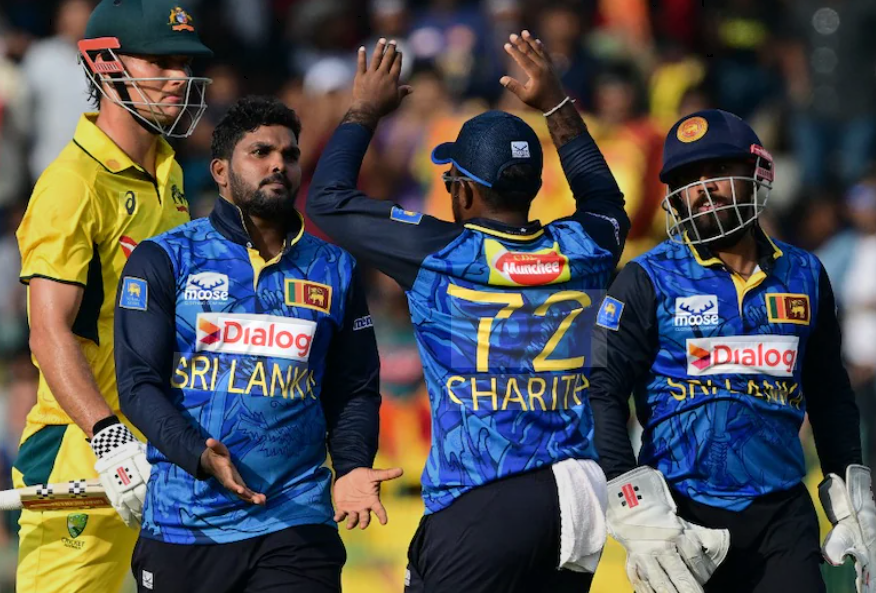
The encounters between these two international sides have created a long and competitive cricket history filled with changing momentum, shifting dominance, and memorable performances. From the early days of one-sided matches to modern high-pressure contests, the journey reflects how both teams evolved in skill, strategy, and mental strength. Each phase of their meetings brought new heroes, tactical battles, and match-defining moments that shaped global cricket narratives. Fans have witnessed dramatic comebacks, record-breaking innings, and intense bowling spells that added depth to this rivalry. Over time, these matches became more than just games, turning into a story of growth, resilience, and competitive pride.
Latest Matches Table
Date
Format
Venue
Winner
Margin
16 February 2026
T20I
Pallekele
Sri Lanka
8 wickets
14 February 2025
ODI
Colombo
Sri Lanka
174 runs
12 February 2025
ODI
Colombo
Sri Lanka
49 runs
6-10 February 2025
Test
Galle
Australia
9 wickets
29 January – 2 February 2025
Test
Galle
Australia
Innings and 242 runs
All-Time Head-to-Head Record Table
Format
Matches
Australia Wins
Sri Lanka Wins
Draws or No Result
Test Matches
35
22
5
8
One Day Internationals
106
64
38
4
Twenty20 Internationals
27
16
11
0
All-Time Batting Leaders Table
Player
Team
Matches
Runs
Highest Score
Average
Kumar Sangakkara
Sri Lanka
79
3324
192
41.55
Mahela Jayawardene
Sri Lanka
88
2862
104
32.89
Ricky Ponting
Australia
59
2623
140
44.45
Michael Clarke
Australia
53
2153
135
43.93
Aravinda de Silva
Sri Lanka
61
2136
167
36.20
All-Time Bowling Leaders Table
Player
Team
Matches
Wickets
Best Bowling
Average
Muttiah Muralitharan
Sri Lanka
63
169
8 for 68
25.10
Glenn McGrath
Australia
51
113
5 for 40
19.84
Shane Warne
Australia
25
96
6 for 34
24.32
Chaminda Vaas
Sri Lanka
56
91
5 for 14
31.42
Mitchell Starc
Australia
39
82
4 for 30
23.95
Early Foundation of International Encounters
The beginning phase of meetings between the two sides showed a clear difference in experience, structure, and match control. One team arrived with a strong cricket system, disciplined bowling attack, and deep batting order, while the other was still developing its international identity. Early matches were mostly one-sided, especially in Tests, where patience and technical strength dominated proceedings. However, even in heavy defeats, small moments of resistance from emerging players began to appear. These moments were not enough to change results, but they hinted at future improvement. Over time, exposure to stronger opposition helped build confidence and tactical awareness. This phase laid the foundation for a rivalry that would later become far more competitive and unpredictable.
Match Type
Year
Winner
Margin
Venue
ODI
1983
Australia
7 wickets
Melbourne
Test
1984
Australia
Innings
Sydney
ODI
1986
Australia
45 runs
Adelaide
Test
1989
Australia
9 wickets
Brisbane
ODI
1990
Australia
6 wickets
Perth
Emerging Resistance and Tactical Awareness
As years passed, the developing side started improving its structure and match approach. Batting became more organized, and players began focusing on strike rotation and partnerships rather than individual aggression alone. The stronger team still maintained dominance, but winning margins started to reduce in certain matches. Coaches emphasized adapting to pace attacks and handling pressure situations more effectively. Field placements and bowling variations became more important as teams started analyzing each other more deeply. This period marked a learning stage where experience slowly translated into better decision-making on the field. It also created the early foundation for closer and more competitive matches in the future.
Match Type
Year
Winner
Margin
Venue
ODI
1992
Australia
4 wickets
Perth
ODI
1993
Australia
38 runs
Melbourne
Test
1993
Australia
6 wickets
Hobart
ODI
1994
Australia
22 runs
Sydney
Test
1995
Draw
–
Colombo
Breakthrough Phase in Limited Overs Cricket
A major shift began when aggressive batting strategies started challenging traditional bowling control. Openers played with more freedom, changing the tempo of early overs and putting bowlers under immediate pressure. This forced captains to rethink field placements and bowling rotations. Middle-order contributions also became more consistent, helping teams recover from early setbacks. Matches started becoming closer, with reduced winning margins and more competitive chases. The psychological pressure of chasing or defending totals became a key factor in deciding outcomes. This phase marked the transition from predictable results to more uncertain and exciting contests.
Match Type
Year
Winner
Margin
Venue
ODI
1996
Sri Lanka
7 wickets
Lahore
ODI
1996
Australia
18 runs
Colombo
ODI
1997
Sri Lanka
5 wickets
Sharjah
ODI
1998
Australia
12 runs
Sydney
ODI
1999
Australia
6 wickets
London
Rise of Tactical Spin and Bowling Duels
Spin bowling became a powerful factor in shaping match outcomes, especially in slower conditions. One side developed world-class spin options that challenged even top batting lineups. Batsmen had to adjust technique, patience, and shot selection to survive long spells. At the same time, fast bowlers continued to dominate early breakthroughs and death overs. Matches often changed direction based on a single bowling spell. This period highlighted how bowling discipline could control entire games. It also showed the importance of adapting to different pitch conditions and match situations.
Match Type
Year
Winner
Margin
Venue
Test
2000
Australia
8 wickets
Melbourne
Test
2001
Sri Lanka
10 wickets
Colombo
ODI
2002
Australia
3 wickets
Brisbane
ODI
2003
Australia
25 runs
Sydney
Test
2004
Draw
–
Galle
High-Intensity ODI Battles and Pressure Chases
ODI cricket became the most intense stage of competition between the two teams. High scoring matches became common as batting lineups adopted aggressive strategies. Chasing targets required calculated risk-taking and strong partnerships. Death overs often decided match results, creating high-pressure situations for both sides. Fielding improvements also played a key role in tightening matches. Many games went down to the final over, keeping fans deeply engaged. This phase represented the peak excitement level of the rivalry in limited-overs cricket.
Match Type
Year
Winner
Margin
Venue
ODI
2005
Australia
2 wickets
Melbourne
ODI
2006
Sri Lanka
4 runs
Colombo
ODI
2007
Australia
7 wickets
Bridgetown
ODI
2008
Australia
1 wicket
Sydney
ODI
2009
Sri Lanka
5 wickets
Dambulla
Modern Era Balance and Competitive Parity
In the modern era, the rivalry became more balanced due to changes in formats and playing styles. T20 cricket introduced unpredictable results where a single over could change the outcome. Fitness, data analysis, and strategic planning became essential parts of preparation. Younger players brought energy and innovation, while experienced players provided stability. Execution under pressure became more important than reputation or history. This phase shows a more equal level of competition compared to earlier decades. Both teams are now capable of dominating on their day.
Match Type
Year
Winner
Margin
Venue
T20
2010
Australia
3 runs
Cape Town
T20
2012
Sri Lanka
6 wickets
Pallekele
ODI
2015
Australia
84 runs
Perth
ODI
2017
Sri Lanka
2 wickets
Colombo
T20
2019
Australia
5 wickets
Adelaide
Conclusion
The rivalry between these two sides stands as a powerful example of cricket evolution across eras. What began as uneven contests gradually transformed into highly competitive battles influenced by strategy, talent, and adaptability. Each generation of players contributed to shaping a more balanced and exciting competition. From dominant performances to closely fought finishes, the scorecards tell a story of persistence and adaptation. This timeline highlights not only results but also the spirit and intensity behind every encounter. Ultimately, this rivalry continues to remain an important chapter in international cricket, reflecting respect, competition, and continuous improvement on both sides.