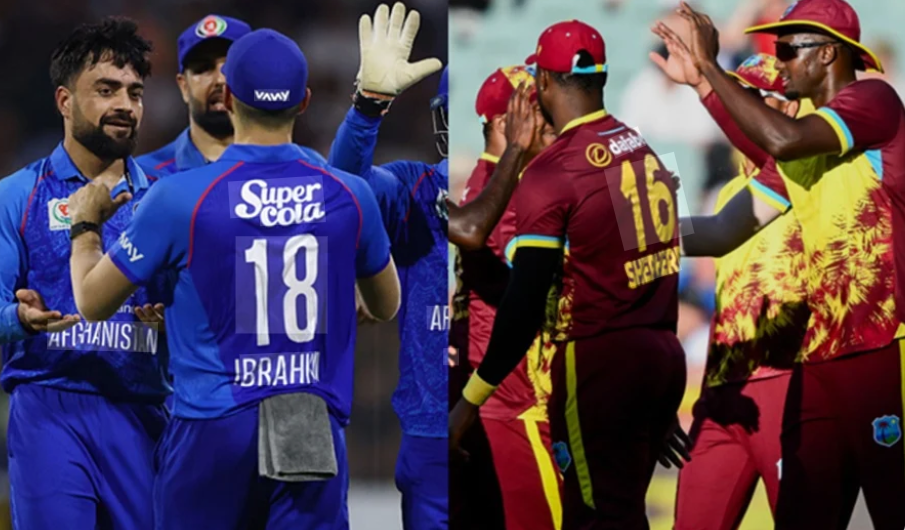
Afghanistan National Cricket Team Vs West Indies Cricket Team Timeline has developed into one of the most exciting modern rivalries in international cricket. The contests between these two teams combine fearless spin bowling, explosive batting, emotional celebrations, and dramatic momentum swings. Afghanistan entered world cricket with hunger and determination, while West Indies carried a legacy filled with legendary players and unforgettable victories. Every meeting between them has produced thrilling moments, tactical battles, and memorable scorecards that fans still discuss passionately. From World Cup pressure to intense T20 clashes, this rivalry continues to grow stronger with every series. Their matches represent more than cricket because pride, identity, and global respect are always at stake.
All-Time Head-to-Head Record
Format
Matches Played
Afghanistan Wins
West Indies Wins
No Result / Ties
Test Matches
1
0
1
0
One Day Internationals
9
3
5
1
Twenty20 Internationals
13
6
7
0
Total
23
9
13
1
Latest Matches
Date
Match Type
Venue
Winner
Margin
February 4, 2026
T20 World Cup Warm-up
Colombo
Afghanistan
23 runs
January 18, 2026
3rd T20I
Dubai
West Indies
15 runs
January 16, 2026
2nd T20I
Dubai
Afghanistan
39 runs
January 14, 2026
1st T20I
Dubai
Afghanistan
38 runs
June 17, 2024
T20 World Cup Group Stage
Gros Islet
West Indies
104 runs
November 29, 2019
Only Test Match
Lucknow
West Indies
9 wickets
November 17, 2019
3rd T20I
Lucknow
Afghanistan
29 runs
All-Time Batting Leaders
Player Name
Team
Runs Scored
Innings Played
Highest Score
Batting Average
Strike Rate
Shai Hope
West Indies
462
8
109
77.00
74.39
Rahmat Shah
Afghanistan
339
9
72
37.66
66.86
Nicholas Pooran
West Indies
318
10
98
39.75
143.24
Evin Lewis
West Indies
296
9
91
32.88
138.96
Najibullah Zadran
Afghanistan
284
14
48
25.81
119.32
Hazratullah Zazai
Afghanistan
251
8
74
31.37
129.38
Shai Hope
West Indies
224
7
52
32.00
121.73
All-Time Bowling Leaders
Player Name
Team
Wickets Taken
Matches Played
Best Bowling
Economy Rate
Bowling Average
Rashid Khan
Afghanistan
31
18
7/18
4.82
16.25
Mujeeb Ur Rahman
Afghanistan
19
12
3/16
5.11
21.42
Sheldon Cottrell
West Indies
16
9
3/29
6.24
17.87
Jason Holder
West Indies
15
11
3/39
4.95
24.60
Rahkeem Cornwall
West Indies
10
1
7/75
2.51
12.10
Mohammad Nabi
Afghanistan
10
21
3/24
6.55
34.90
Hayden Walsh Jr
West Indies
9
6
3/33
7.15
19.33
Desert Warriors Meet Caribbean Power
Afghanistan entered international cricket with fearless energy, while West Indies carried decades of history, flair, and dominance. When these teams first shared the field, the contrast in styles immediately caught attention. Afghanistan relied heavily on discipline, sharp spin bowling, and aggressive intent despite limited experience at the highest level. West Indies, meanwhile, trusted their natural stroke play, fast bowling depth, and explosive middle order. Fans from both regions quickly became emotionally invested because every encounter felt unpredictable. Afghanistan treated every game like a statement opportunity, while West Indies aimed to protect their global reputation. The rivalry slowly gained respect across world cricket because matches were rarely one sided. Even when West Indies appeared stronger on paper, Afghanistan’s fearless cricketers created pressure through tight bowling spells and brave batting displays. This clash became more than just another fixture. It represented two different cricket cultures fighting for pride, recognition, and momentum on the world stage.
Match Format
Afghanistan Strength
West Indies Strength
Key Talking Point
ODI
Spin attack
Power hitting
Middle overs battle
T20I
Wrist spin
Boundary striking
Death overs pressure
World Cup
Team unity
Big match experience
Nerve handling
Bilateral Series
Young talent
Aggressive batting
Tactical changes
Knockout Matches
Fearless mindset
Pace bowling
Momentum swings
The First Clash That Sparked Curiosity
The early meetings between these sides surprised many cricket followers because Afghanistan showed confidence far beyond their international experience. West Indies entered those matches as favorites due to their stronger history and bigger stars, yet Afghanistan refused to play cautiously. Their bowlers attacked the stumps, fielders celebrated every wicket with passion, and batters counterattacked instead of defending for survival. Supporters watching these contests realized the emerging side was no longer satisfied with respectable defeats. West Indies often found themselves under pressure after losing wickets against spin in crucial moments. The emotional intensity of these contests added excitement because every run carried importance. Afghanistan’s confidence grew with each competitive performance, while West Indies understood they could not underestimate their opponents anymore. Those early clashes created the foundation of a rivalry built on unpredictability, tactical battles, and emotional cricket. It was clear that future encounters would become even more dramatic and fiercely contested.
Venue Type
Winning Factor
Key Performer Type
Match Situation
Asian Conditions
Spin bowling
Wrist spinner
Slow pitches
Caribbean Pitches
Fast scoring
Power hitters
Short boundaries
Neutral Grounds
Pressure handling
All rounders
Tournament games
Night Matches
Death bowling
Finishers
Chase situations
Day Games
Early wickets
Opening batters
Powerplay control
Spin Against Power Hitting
One of the most fascinating elements of this rivalry has always been the battle between Afghanistan’s spin attack and the explosive batting style of West Indies. Afghanistan’s bowlers used flight, variation, and sharp turn to slow down scoring rates during the middle overs. West Indies responded with aggressive intent, attempting to dominate before pressure could build. This tactical contest created thrilling moments where momentum changed within a few deliveries. Caribbean batters often attacked the spinners with fearless lofted shots, but Afghanistan’s bowlers remained calm and trusted their plans. Dot balls became as important as boundaries because pressure forced risky decisions. Fans loved watching these moments because the contest felt personal and emotional. Every wicket celebration carried passion, while every six shifted energy inside the stadium. The rivalry became known for this unique clash of cricket philosophies. One side focused on control and patience, while the other relied on power and attacking instincts to break opposition confidence.
Bowling Style
Batting Response
Tactical Goal
Match Impact
Leg spin
Big hitting
Break rhythm
Wicket chances
Off spin
Sweep shots
Rotate strike
Run pressure
Pace variations
Deep hitting
Boundary control
Death overs
Yorkers
Fast hands
Restrict scoring
Final overs
Slow bouncers
Pull shots
Force mistakes
Momentum shifts
Chris Gayle, Rashid Khan, and the Battle of Stardom
Star players gave this rivalry global attention because individual brilliance often decided major moments. Chris Gayle represented fearless Caribbean power, while Rashid Khan symbolized Afghanistan’s rapid rise in world cricket. Their battles became headline stories before every major clash. Gayle attempted to dominate spin with massive sixes, but Rashid answered with clever variations, quicker deliveries, and sharp control. Spectators waited eagerly for every over between them because one delivery could change the entire atmosphere. Beyond statistics, these duels carried emotional weight for supporters who viewed their stars as national icons. Rashid inspired young Afghan fans with confidence and energy, while Gayle entertained audiences with charisma and attacking batting. Their rivalry reflected the broader identity of both teams. One side trusted power and entertainment, while the other relied on discipline and tactical intelligence. Whenever these players delivered match winning performances, the rivalry gained even greater excitement and international respect among cricket followers worldwide.
Player Role
Strength
Memorable Skill
Match Influence
Opening Batter
Power hitting
Long sixes
Fast starts
Leg Spinner
Variations
Quick googly
Middle overs
Finisher
Death batting
Boundary hitting
Late acceleration
Fast Bowler
Pace attack
Short balls
Early pressure
Captain
Tactical calls
Field placement
Momentum control
World Cup Nights and Tournament Pressure
Tournament meetings between these teams carried enormous emotional pressure because every point mattered for qualification and global recognition. Afghanistan approached these games with fearless determination, knowing victories against established teams could change cricket history back home. West Indies, on the other hand, carried expectations from passionate supporters who demanded aggressive cricket and strong results. The atmosphere during these encounters often felt tense from the first over. Batters played carefully under pressure, bowlers celebrated loudly after breakthroughs, and fielding intensity increased dramatically. Mistakes became costly because knockout style pressure affected decision making. Fans across both regions followed every moment closely through television broadcasts and social media discussions. Victories created national celebrations, while defeats triggered emotional criticism and frustration. These matches showed how cricket could unite entire nations emotionally. More importantly, they proved that this rivalry had evolved beyond ordinary bilateral contests and had become a respected competitive battle on major tournament stages.
Tournament Stage
Pressure Level
Key Requirement
Crowd Reaction
Group Match
High
Net run rate
Loud support
Super Stage
Intense
Consistency
Emotional swings
Knockout Game
Extreme
Calm mindset
Nervous atmosphere
Final Overs
Critical
Smart execution
Stadium tension
Post Match
Emotional
Team response
Media attention
Caribbean Counterattacks and Tactical Adjustments
West Indies gradually adapted their tactics after understanding Afghanistan’s bowling strengths and disciplined approach. Instead of blindly attacking spin, Caribbean batters began rotating strike more carefully before targeting weaker overs. Captains adjusted field placements and used pace variations to restrict Afghanistan’s aggressive middle order. These tactical improvements added another layer of complexity to the rivalry. Afghanistan also responded with smarter bowling combinations, sharper fielding positions, and aggressive captaincy decisions. Every series felt like a chess battle where both teams studied each other closely. Coaches and analysts played major roles in preparing match strategies because small details often decided close contests. The rivalry matured through these adjustments, becoming more tactical and competitive over time. Fans appreciated the growing intensity because matches no longer depended only on natural talent. Planning, discipline, and execution became equally important. This evolution transformed the rivalry into one of cricket’s most interesting contests between emerging ambition and historic Caribbean flair.
Tactical Area
Afghanistan Plan
West Indies Plan
Result
Powerplay
Early spin option
Aggressive hitting
Fast momentum
Middle Overs
Dot ball pressure
Strike rotation
Tactical battle
Death Overs
Yorkers
Big shots
High tension
Fielding Setup
Close catchers
Boundary riders
Risk control
Bowling Changes
Spin combinations
Pace rotation
Match balance
Fan Passion Across Kabul and the Caribbean
Supporters from both sides turned this rivalry into an emotional sporting event filled with pride, passion, and unforgettable reactions. Afghan fans celebrated every victory like a national achievement because cricket represented hope and unity for millions of people. Caribbean supporters brought music, energy, and colorful celebrations that created a festival atmosphere around matches. Social media debates between fans increased after every close game, especially when controversial moments or brilliant performances shaped results. Stadium noise often intensified during key battles between star players, making pressure even greater on the field. Supporters admired players who showed aggression, confidence, and commitment under difficult circumstances. Young fans from both regions also connected deeply with the rivalry because it represented fearless cricket and entertainment. Over time, this emotional connection helped the rivalry grow beyond statistics and scorecards. It became a story of identity, pride, and belief, driven strongly by passionate supporters who treated every encounter as a meaningful battle.
Fan Element
Afghanistan Support
West Indies Support
Match Effect
Stadium Atmosphere
Emotional chants
Music and dancing
High energy
Social Media
Tactical debates
Player praise
Viral moments
Victory Reaction
National pride
Celebration culture
Massive attention
Defeat Response
Emotional criticism
Demand for change
Media pressure
Star Support
Young heroes
Legendary icons
Fan loyalty
Conclusion
Afghanistan National Cricket Team Vs West Indies Cricket Team Timeline reflects the evolution of modern cricket where emerging teams can challenge traditional powers with confidence and skill. The rivalry has delivered unforgettable performances, iconic player battles, tactical masterclasses, and emotional fan reactions across multiple formats. Afghanistan’s disciplined spin attack and fearless attitude consistently tested the aggressive Caribbean style, creating highly competitive contests. West Indies answered with power hitting, experience, and match winning brilliance that kept the rivalry balanced and entertaining. As both teams continue developing new talent, future encounters promise even greater excitement and drama. This rivalry has already earned a respected place in international cricket through passion, intensity, and unforgettable cricket moments.