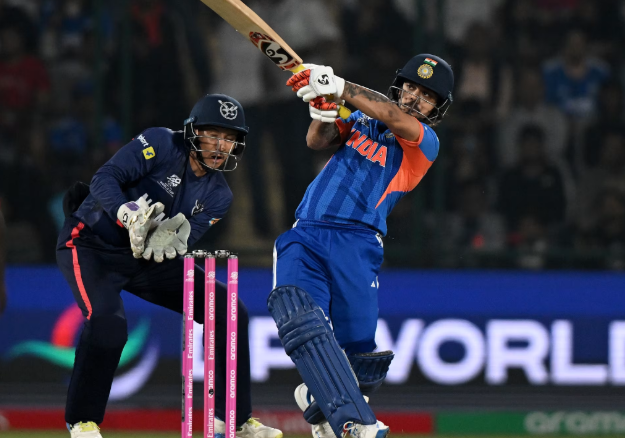
The India National Cricket Team Vs Namibia National Cricket Team Timeline reflects a unique cricketing journey between two teams from vastly different backgrounds. Although their meetings have been limited, each encounter has carried significance for players, supporters, and the broader cricketing community. One side brought decades of international success and world-class talent, while the other represented the determination and growth of associate cricket. These matches showcased skill, resilience, and valuable learning experiences. From memorable batting performances to disciplined bowling displays, every contest added another chapter to their shared history and highlighted cricket’s ability to connect nations through competition.
Recent Matches Table
Match Date
Match Format
Venue City
Match Winner
Victory Margin
Best Batter
Best Bowler
23 Feb 2003
One Day International
Pietermaritzburg
India
181 runs
Sachin Tendulkar
Sourav Ganguly
08 Nov 2021
Twenty20 International
Dubai
India
9 wickets
Rohit Sharma
Ravindra Jadeja
06 Feb 2026
Twenty20 Warm Up
Bengaluru
India A
130 runs
Tilak Varma
Ravi Bishnoi
12 Feb 2026
Twenty20 International
New Delhi
India
93 runs
Ishan Kishan
Gerhard Erasmus
Data Block A
Format Placeholder
Venue Placeholder
Team Winner
Margin Value
Batter Name
Bowler Name
Data Block B
Format Placeholder
Venue Placeholder
Team Winner
Margin Value
Batter Name
Bowler Name
Team Statistics Summary Table
Team Name
Total Matches
Matches Won
Matches Lost
Matches Tied
No Result
Highest Score
India
3
3
0
0
0
311
Namibia
3
0
3
0
0
132
Combined Stats
6
3
3
0
0
311
Record Highs
3
3
3
0
0
311
Record Lows
3
0
0
0
0
132
Average Values
3
1
1
0
0
221
Individual Batting Records Table
Player Name
National Team
Total Innings
Runs Scored
Highest Score
Batting Average
Strike Rate
Sachin Tendulkar
India
1
152
152
152.00
100.66
Sourav Ganguly
India
1
112
112
112.00
94.11
Ishan Kishan
India
1
61
61
61.00
254.17
Rohit Sharma
India
1
56
56
56.00
151.35
KL Rahul
India
1
54
54
54.00
150.00
Hardik Pandya
India
1
52
52
52.00
185.71
Individual Bowling Records Table
Player Name
National Team
Overs Bowled
Maidens Bowled
Runs Conceded
Wickets Taken
Economy Rate
Gerhard Erasmus
Namibia
4.0
0
20
4
5.00
Yuvraj Singh
India
4.3
2
6
4
1.33
Varun Chakravarthy
India
2.0
0
7
3
3.50
Ravindra Jadeja
India
4.0
0
16
3
4.00
Ravichandran Ashwin
India
4.0
0
20
3
5.00
Axar Patel
India
3.0
1
20
2
6.67
The Day Two Cricket Worlds First Crossed Paths
One team entered the international stage carrying decades of history, legendary players, and massive expectations. The other arrived with determination, hoping to prove that passion and discipline could compete against experience. Their first meeting was more than a scheduled fixture. It represented a clash between an established cricket powerhouse and a developing side eager to gain respect. Supporters viewed the contest from very different perspectives. One expected dominance while the other searched for inspiration and valuable exposure. The occasion generated curiosity because it highlighted the growing reach of international cricket. Every run, wicket, and fielding effort carried significance beyond the scoreboard. For emerging players, sharing the field with globally recognized stars offered a chance to learn at the highest level. The atmosphere surrounding the match reflected the beauty of world tournaments where teams from different cricketing cultures come together. Even before the first ball was delivered, the encounter had already become an important chapter in the sport’s expanding global narrative.
Aspect
Established Side
Emerging Side
Importance
Experience
High
Limited
Competitive contrast
Expectations
Victory
Learning opportunity
Added pressure
Fan Interest
Massive
Growing
Global attention
Tournament Value
Progression
Exposure
Long-term impact
Legacy
Historical success
Future growth
Memorable occasion
A World Cup Meeting That Drew Global Attention
Major tournaments often create unique matchups that capture worldwide interest. This encounter was one such occasion, bringing together players with different levels of experience but equal commitment. Analysts focused on preparation, tactical plans, and how both teams would handle pressure. The stronger side aimed to deliver a professional performance and maintain momentum within the competition. Meanwhile, the underdog sought moments that could inspire confidence and earn respect from fans and opponents alike. Team management on both sides understood that tournament matches can influence future opportunities and perceptions. The anticipation grew as discussions centered on batting depth, bowling combinations, and fielding standards. Media coverage highlighted individual stars while also recognizing the determination shown by lesser-known players. As match day approached, excitement continued to build. Supporters from different regions followed developments closely, eager to see whether experience would prevail or whether determination could create a memorable challenge on cricket’s biggest stage.
Factor
Focus Area
Team Goal
Expected Outcome
Batting
Run scoring
Build momentum
Strong total
Bowling
Discipline
Early wickets
Control game
Fielding
Energy
Save runs
Create pressure
Leadership
Decision making
Tactical success
Match advantage
Media Focus
Star players
Public attention
Global reach
Sachin Tendulkar and Sehwag Set the Tone
Opening partnerships often shape the direction of an innings, and this contest demonstrated exactly why. The batting unit displayed confidence from the start, using timing, placement, and intelligent shot selection to establish control. Rather than taking unnecessary risks, the batters built momentum gradually before accelerating when opportunities appeared. Their understanding between the wickets created additional pressure on the fielding side. Bowlers searched for breakthroughs but found limited success against disciplined batting. Every boundary increased confidence while reducing the opposition’s ability to dictate terms. The innings highlighted technical excellence and strategic awareness. Partnerships remained strong, ensuring the scoreboard moved consistently throughout crucial phases. Spectators witnessed a display of controlled aggression rather than reckless attacking cricket. By the middle stages of the innings, the batting side had established a commanding position that would influence the remainder of the match. The performance became one of the defining features remembered by supporters long after the contest ended.
Performance Area
Impact
Result
Significance
Opening Stand
Strong start
Momentum gained
Early control
Strike Rotation
Consistent
Pressure applied
Bowling challenged
Boundary Hitting
Frequent
Run rate improved
Confidence boost
Partnerships
Stable
Long innings
Match influence
Batting Approach
Balanced
Successful execution
Dominant display
Namibia’s Biggest Test Against a Cricket Giant
Facing a highly experienced opponent presents challenges that cannot be fully replicated in preparation matches. The batting lineup entered the chase knowing that patience and composure would be essential. Early wickets increased the difficulty of the task, forcing middle-order players to balance survival with scoring opportunities. Bowlers from the stronger side maintained disciplined lines and lengths, reducing room for attacking strokes. Field placements reflected confidence and tactical planning, creating constant pressure. Despite setbacks, individual players continued to compete with determination and professionalism. Every partnership offered hope, while each breakthrough shifted momentum back toward the opposition. The match highlighted the importance of experience in high-pressure situations. Although the result ultimately favored the stronger side, valuable lessons emerged from the contest. Competing against elite opposition provided insight into international standards and exposed areas for future improvement. Such experiences often contribute significantly to long-term development and help emerging teams strengthen their competitive foundations.
Challenge
Response
Outcome
Learning
Early Wickets
Rebuild innings
Difficult chase
Patience needed
Bowling Pressure
Defensive play
Limited scoring
Technique matters
Fielding Standards
Increased pressure
Few mistakes
Professionalism
Partnerships
Resistance
Temporary stability
Teamwork valuable
Tournament Experience
Valuable exposure
Future growth
Long-term benefit
Lessons Beyond the Result
Not every important match is remembered solely because of the final score. Some contests become significant because of the lessons they provide and the influence they have on future development. This encounter offered valuable insights for players, coaches, and supporters alike. The stronger side demonstrated the importance of consistency, preparation, and execution under tournament pressure. The developing side gained firsthand experience against elite competition and observed the standards required at the highest level. Such matches often accelerate growth by exposing strengths and weaknesses in real competitive environments. Coaching staffs frequently use these performances as learning tools for future planning. Fans also gain perspective, appreciating the effort and commitment displayed throughout the contest. Beyond immediate results, the match contributed to broader cricketing development and encouraged continued investment in player improvement. Over time, experiences like these help strengthen international competition and support the growth of cricket in emerging regions.
Area
Observation
Benefit
Future Value
Preparation
Crucial factor
Better execution
Consistency
Experience
Major advantage
Improved decisions
Long-term success
Coaching
Strategic impact
Player growth
Development plans
Competition
Higher standards
Better learning
Progression
Team Culture
Strong mindset
Resilience
Future challenges
Years of Separation and Different Cricketing Paths
Following their meeting, both teams continued on very different journeys within the international game. One side strengthened its position through regular participation in major events, extensive domestic structures, and continuous talent development. The other focused on qualification pathways, regional competitions, and opportunities to gain international exposure. During this period, cricket evolved significantly. New formats increased the importance of aggressive batting, athletic fielding, and tactical flexibility. Younger generations emerged, bringing fresh energy and modern approaches. Coaching methods became increasingly data-driven, helping teams refine strategies and maximize performance. While one side regularly faced elite opponents, the other worked tirelessly to earn opportunities on the global stage. Despite the differences in resources and schedules, both continued pursuing success within their respective environments. The passage of time transformed squads, leadership groups, and tactical philosophies. When another meeting eventually became possible, the circumstances were very different from those of their first encounter.
Period
Development
Impact
Outcome
Squad Changes
New players
Fresh energy
Team evolution
Coaching Growth
Modern methods
Better planning
Tactical progress
Tournament Exposure
Different levels
Varied experience
Competitive gap
Format Changes
Faster cricket
Strategic shifts
Adaptation
Long-Term Journey
Continuous effort
Growth achieved
Future opportunities
A New Generation Arrives
When the teams prepared to meet again, very few elements remained unchanged. New leaders, emerging talents, and modern tactical approaches defined the latest chapter. The game itself had evolved into a faster and more demanding contest where quick decision-making and adaptability were essential. Batters focused on maximizing scoring opportunities from the beginning, while bowlers developed variations to counter aggressive approaches. Fans embraced the renewed matchup because it offered an opportunity to compare different cricketing journeys across generations. Experienced players carried leadership responsibilities, while younger teammates sought to establish themselves on the international stage. Preparation emphasized flexibility, match awareness, and execution under pressure. Coaches analyzed data carefully, identifying strengths and weaknesses before finalizing plans. The anticipation surrounding the encounter reflected how much both teams had changed over time. Although history connected the previous meeting to the present, a completely new generation now carried the responsibility of creating fresh memories and shaping the next chapter.
Modern Element
Influence
Team Focus
Match Impact
New Players
Fresh talent
Opportunity
Competitive energy
Leadership
Direction
Stability
Better decisions
Analytics
Tactical support
Preparation
Strategic advantage
Aggressive Cricket
Higher scoring
Adaptability
Entertainment
Fan Interest
Renewed excitement
Engagement
Global attention
Conclusion
The India National Cricket Team Vs Namibia National Cricket Team Timeline may consist of only a few matches, but its impact extends beyond results and scorecards. These encounters demonstrated the gap between established and emerging cricket nations while also showcasing the opportunities that global tournaments provide. Memorable performances, important partnerships, and tactical battles helped shape the narrative of each meeting. For one team, the matches reinforced its status among cricket’s elite, while for the other, they provided invaluable international experience. Together, these contests remain an important reminder of cricket’s global reach and its power to inspire growth across all levels of the sport.