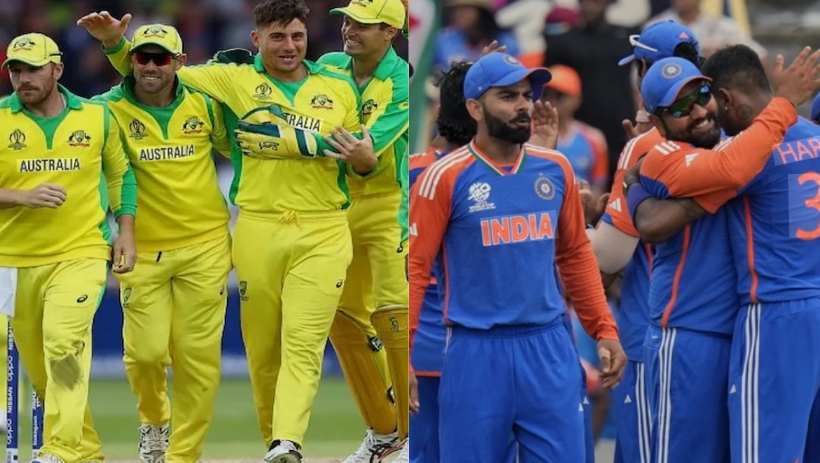
The rivalry between the India National Cricket Team and the Australian Men’s Cricket Team stands as one of the most intense battles in world cricket history. It is a timeline shaped by shifting dominance, iconic scorecards, and unforgettable player performances across formats. From Australia’s early supremacy to India’s rise as a global powerhouse, every era has added new layers of drama and competition. Fast bowling duels, spin masterclasses, and pressure filled chases have defined this contest. Fans from both nations have witnessed emotional highs and heartbreaking losses, making this rivalry more than just cricket. It is a story of pride, evolution, and relentless competition.
Latest Matches Table
Date
Format
Venue
Winner
Margin
08 Nov 2025
T20I
Brisbane
No Result
Abandoned due to rain
06 Nov 2025
T20I
Carrara
India
48 runs
02 Nov 2025
T20I
Hobart
India
5 wickets
31 Oct 2025
T20I
Melbourne
Australia
4 wickets
29 Oct 2025
T20I
Canberra
No Result
Abandoned due to rain
25 Oct 2025
ODI
Sydney
India
9 wickets
23 Oct 2025
ODI
Adelaide
Australia
2 wickets
19 Oct 2025
ODI
Perth
Australia
7 wickets
04 Mar 2025
ODI
Dubai
India
4 wickets
03 Jan 2025
Test
Sydney
Australia
6 wickets
All-Time Head-to-Head Record Table
Format
Matches Played
India Wins
Australia Wins
Draws / No Results
Test
112
33
48
31
ODI
154
58
85
11
T20I
36
19
15
2
Total
302
110
148
44
All-Time Batting Leaders Table
Player Name
Team
Runs Scored
Matches Played
High Score
Sachin Tendulkar
India
6707
110
241
Virat Kohli
India
5204
101
186
Ricky Ponting
Australia
4719
88
257
Rohit Sharma
India
3902
84
209
Steve Smith
Australia
3422
65
192
All-Time Bowling Leaders Table
Player Name
Team
Wickets Taken
Matches Played
Best Bowling
Anil Kumble
India
142
41
8/141
Nathan Lyon
Australia
125
28
8/50
Harbhajan Singh
India
105
37
8/84
Ravichandran Ashwin
India
114
26
7/103
Mitchell Starc
Australia
98
44
6/43
Rivalry Origins and Early Cricket Identity Clash
The rivalry between India and Australia began as a contrast of cricketing philosophies that shaped decades of competition. Australia entered the early encounters with a fearless and aggressive approach, relying on pace bowling dominance and disciplined batting structures. India, on the other hand, was still building its identity in international cricket, often struggling to match the intensity and consistency of the Australian side. Early matches reflected a clear gap in experience and execution, where Australia controlled most sessions through pressure and sharp fielding. However, even in those defeats, India showed glimpses of resilience through individual batting efforts that hinted at future growth. The scorecards from this phase often told a story of dominance but also learning, as Indian players slowly adapted to world class fast bowling. These early encounters laid the foundation for what would become one of the most intense rivalries in cricket history, defined by respect, competition, and rising ambition.
Year
Format
Winner
Top Performer
Margin
1980
Test
Australia
Border
Innings
1981
ODI
Australia
Hughes
9 wickets
1983
Test
India
Gavaskar
4 wickets
1985
ODI
Australia
Marsh
35 runs
Australia’s Dominance Phase in the 1990s
During the 1990s, Australia established itself as a cricket powerhouse, and this era heavily influenced its rivalry with India. The Australian team combined raw pace, disciplined batting, and sharp tactical awareness, which made them extremely difficult to challenge. India struggled in overseas conditions, particularly against the Australian fast bowling attack led by legends who consistently exploited technical weaknesses. Despite the setbacks, Indian batting icons began to show resistance, producing memorable innings that stood out in otherwise one sided scorecards. This period also saw Australia building a winning culture where they rarely allowed opposition teams to recover once they gained control. India’s efforts were often individual brilliance rather than collective dominance, but these performances helped shape future confidence. The rivalry during this decade was less balanced on paper but extremely important in building India’s mental strength for future battles. It set the stage for a dramatic shift in the 2000s when India began to challenge Australia more consistently.
Year
Format
Winner
Top Performer
Margin
1991
Test
Australia
Taylor
8 wickets
1993
ODI
Australia
Warne
5 wickets
1996
Test
Australia
McGrath
Innings
1999
ODI
Australia
Waugh
6 wickets
Turning Point Series and India’s Home Breakthrough
The early 2000s marked a significant turning point in the India Australia rivalry when India began to assert dominance in home conditions. The Border Gavaskar Trophy became the symbol of this competitive transformation, showcasing how spin bowling and home advantage could challenge Australia’s aggressive style. India’s spin attack, led by experienced bowlers, created constant pressure on Australian batters, leading to unexpected collapses and surprising scorecard outcomes. This phase was crucial in shifting the psychological balance of the rivalry. India’s batting unit also became more confident, building partnerships that resisted Australian momentum for long periods. The matches during this era were closely fought, with momentum swinging frequently between both sides. Australia was still strong, but India’s belief had grown significantly. This period is remembered as the beginning of a truly competitive rivalry where neither team could dominate without facing serious resistance. It also marked India’s rise as a strong force in Test cricket at home.
Year
Format
Winner
Top Performer
Margin
2001
Test
India
Harbhajan
171 runs
2003
ODI
India
Sehwag
4 wickets
2004
Test
Draw
Dravid
Draw
2008
Test
India
Kumble
8 wickets
Australia’s Peak Era and World Cricket Control
Australia’s peak era in the mid 2000s represented one of the most dominant phases in cricket history. The team played with unmatched confidence, depth, and consistency, often overpowering opposition teams across formats. Against India, Australia displayed aggressive batting led by explosive openers and a strong middle order that consistently posted massive totals. Their bowling attack maintained relentless pressure, ensuring that India struggled to build long partnerships. This phase also included intense World Cup encounters where Australia’s experience in high pressure games gave them a significant edge. India fought hard in several matches, but Australia’s ability to execute under pressure often decided the outcome. Despite this dominance, Indian players gained valuable exposure by competing against the best team in the world. These experiences later helped India rebuild a stronger core team capable of challenging Australia in future series. The rivalry during this period became more intense, even if results still favored Australia heavily.
Year
Format
Winner
Top Performer
Margin
2005
ODI
Australia
Gilchrist
7 wickets
2007
Test
Australia
Ponting
Innings
2007
ODI
Australia
Hayden
50 runs
2008
Test
Australia
Hussey
6 wickets
Rise of Indian Modern Batting Strength
As the late 2000s approached, India’s batting lineup evolved into one of the strongest in world cricket. Players developed better techniques against fast bowling and showed greater adaptability in overseas conditions. Against Australia, this phase saw India producing competitive totals even in challenging situations. Batting legends delivered consistent performances that changed the flow of matches and reduced Australia’s psychological dominance. Partnerships became more stable, and India started responding strongly to Australian aggression. This period also marked the rise of new generation players who brought fresh energy and fearless stroke play. The rivalry became more balanced, with both teams exchanging victories in different conditions. India’s ability to handle pressure improved significantly, especially in ODIs and Test matches played at home. Australia still remained dangerous, but the gap between the two sides had clearly narrowed. This transformation made every encounter between India and Australia unpredictable and highly competitive.
Year
Format
Winner
Top Performer
Margin
2009
ODI
India
Tendulkar
3 wickets
2010
Test
Draw
Laxman
Draw
2011
ODI
India
Kohli
5 wickets
2012
Test
India
Ashwin
8 wickets
Modern Era Intensity and Tactical Evolution
The modern era of India versus Australia cricket is defined by tactical innovation, fitness levels, and data driven strategies. Both teams now rely heavily on analysis and match planning, making every encounter a battle of preparation as much as execution. India’s fast bowling unit has become world class, capable of challenging Australia in their own conditions. Australia continues to maintain its aggressive mindset but with more strategic flexibility. Matches are now often decided by small moments such as key partnerships, death overs performance, or sudden bowling breakthroughs. The rivalry has also seen increased intensity in ICC tournaments where pressure is significantly higher. Players from both sides understand the importance of adapting quickly to match situations. This era has produced some of the most thrilling contests in cricket history, with matches going down to the final overs or final sessions. The balance of power now shifts frequently, making this rivalry one of the most exciting in modern cricket.
Year
Format
Winner
Top Performer
Margin
2015
ODI
Australia
Smith
2 wickets
2017
Test
India
Pujara
75 runs
2019
ODI
India
Rohit
36 runs
2021
Test
India
Pant
3 wickets
Iconic Matches and Defining Scorecards
Over the decades, several matches between India and Australia have become iconic due to their dramatic scorecards and unforgettable performances. These games often featured extraordinary batting displays, match winning bowling spells, and shifting momentum that kept fans on edge. Some matches were dominated by spin on turning tracks, while others showcased fast bowling battles in bouncy conditions. The rivalry has consistently produced record breaking partnerships and surprising collapses that changed series outcomes. Fans from both nations emotionally invest in these matches, making every victory or defeat deeply significant. These encounters are remembered not just for results but for the intensity and passion displayed on the field. Each scorecard tells a story of resilience, aggression, and tactical brilliance. This section of the rivalry timeline highlights why India versus Australia is considered one of the greatest contests in world cricket history.
Year
Format
Winner
Top Performer
Margin
1998
Test
Australia
Warne
Innings
2001
Test
India
Dravid
171 runs
2018
Test
India
Kohli
31 runs
2023
ODI
Australia
Labuschagne
6 wickets
Conclusion
The India vs Australia rivalry timeline reflects how two cricketing giants pushed each other to new heights over decades. What began as one sided contests gradually evolved into a balanced and fiercely competitive battle across Tests, ODIs, and T20s. Legendary players from both sides delivered match defining performances that shaped cricket history. Each scorecard tells a story of pressure, skill, and determination. Today, this rivalry continues to evolve with new stars carrying forward the legacy. It remains a symbol of modern cricket excellence where every encounter brings uncertainty, excitement, and world class sporting drama.