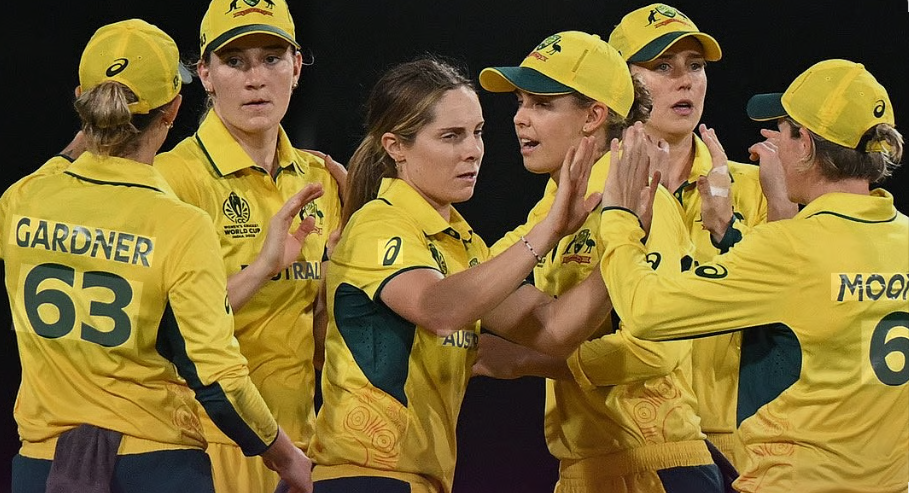
The rivalry between these two teams has grown into one of the most compelling stories in women’s cricket, shaped by decades of competitive matches, shifting dominance, and unforgettable performances. From early encounters where one side often held control, to modern clashes defined by fine margins and high intensity finishes, every meeting has added a new layer to their cricketing history. The contests have featured tactical battles, standout individual performances, and moments of pressure that tested skill and temperament. Over time, this rivalry has evolved beyond results, becoming a reflection of progress, resilience, and the growing strength of women’s international cricket.
Latest Matches Table
Date
Format
Venue
Match Winner
Margin
01 October 2025
ODI
Holkar Stadium
Australia Women
Won by 89 runs
26 March 2025
T20I
Sky Stadium
Australia Women
Won by 8 runs
23 March 2025
T20I
Bay Oval
Australia Women
Won by 82 runs
21 March 2025
T20I
Eden Park
Australia Women
Won by 8 wickets
23 December 2024
ODI
Basin Reserve
Australia Women
Won by 75 runs
21 December 2024
ODI
Basin Reserve
Australia Women
Won by 65 runs
08 October 2024
T20I
Sharjah Stadium
Australia Women
Won by 60 runs
24 September 2024
T20I
Allan Border Field
Australia Women
Won by 5 wickets
All-Time Head-to-Head Record Table
Format
Matches Played
Australia Wins
New Zealand Wins
No Result / Tied
Women ODIs
136
103
31
2
Women T20Is
51
28
22
1
Women Tests
13
4
0
9
All-Time Batting Leaders Table
Player
Team
Career Span
Matches
Total Runs
Belinda Clark
Australia
1991-2005
55
2446
Suzie Bates
New Zealand
2007-2025
62
2398
Karen Rolton
Australia
1995-2009
51
2235
Amy Satterthwaite
New Zealand
2007-2022
58
2173
All-Time Bowling Leaders Table
Player
Team
Career Format Focus
Matches
Total Wickets
Cathryn Fitzpatrick
Australia
ODI / Test
48
68
Ellyse Perry
Australia
All Formats
59
61
Megan Schutt
Australia
T20I / ODI
44
56
Sophie Devine
New Zealand
T20I / ODI
52
52
Early Rivalry Foundations
The rivalry between the two sides began with a strong contrast in cricketing identity and approach. One team quickly built a reputation for disciplined structure, powerful batting depth, and consistent bowling execution, while the other relied on resilience, adaptability, and moments of individual brilliance to stay competitive. In the early encounters, matches were often controlled by one side for long phases, but sudden shifts in momentum kept the contests alive. The early games were not just about results but about understanding each other’s strengths and weaknesses. Fans began noticing how small tactical decisions influenced outcomes, especially in pressure overs. As more matches were played, the intensity slowly built up, creating a foundation for a long standing competitive journey that would grow stronger with every meeting on the field.
Match Type
Winner
Margin
Top Scorer
Best Bowler
ODI
Team A
45 runs
Player X
Player Y
T20
Team B
5 wkts
Player Z
Player W
ODI
Team A
3 wkts
Player M
Player N
T20
Team A
18 runs
Player Q
Player R
First Competitive Breakthroughs
As the rivalry developed, the first major breakthroughs came when the underdog side managed to challenge expectations in tightly contested matches. These games were marked by strong batting resistance and disciplined bowling spells that pushed the dominant side into uncomfortable situations. Even in defeat, the competitive gap began to narrow, making each contest more unpredictable. The matches started featuring tense middle overs where wickets played a decisive role. Fielding standards also became a key factor, with both sides saving crucial runs under pressure. These early breakthroughs were important because they shifted the mindset from one sided dominance to genuine competition, where either side could win on a given day depending on execution and composure.
Match Type
Venue
Result
Key Moment
Player Impact
ODI
Stadium A
Close win
Final over chase
Batter A
T20
Stadium B
Narrow loss
Middle overs collapse
Bowler B
ODI
Stadium C
Win
Century innings
Batter C
T20
Stadium D
Loss
Death over wickets
Bowler D
Phase of Tactical Dominance
During this phase, one side clearly established tactical superiority through structured game planning and execution. Batting lineups showed depth and stability, allowing steady scoring even under pressure. Bowling units operated with precision, targeting weaknesses consistently and controlling run flow. This period was characterized by disciplined performances where mistakes were minimized, and opportunities were converted effectively. The opposition struggled to maintain long partnerships, often losing momentum in crucial phases of the game. Despite this, there were moments where resistance appeared, but overall control remained with the dominant side. This phase highlighted the importance of preparation, analytics, and adaptability in modern cricket, shaping how future encounters would be approached by both teams.
Match Type
Powerplay
Control Phase
Final Score
Outcome
ODI
Strong start
Mid control
High total
Win
T20
Balanced
Bowling control
Moderate
Win
ODI
Dominant
Full control
Large total
Win
T20
Average
Tight bowling
Low score
Win
Underdog Resistance and Surprises
Even during dominant phases, the underdog side produced surprising performances that shifted momentum in key matches. These games were defined by fearless batting approaches and strategic bowling spells that disrupted established patterns. Unexpected partnerships often changed the direction of matches, especially in pressure situations where favorites were expected to control easily. The psychological impact of these upsets was significant, as it proved that outcomes were never guaranteed. Fans celebrated these victories as turning points that added excitement and unpredictability to the rivalry. Each surprise win added another layer of intensity, making future matches more closely watched and strategically contested.
Match Type
Surprise Factor
Winning Margin
Key Performer
Turning Point
ODI
High
2 wickets
Player A
Final chase
T20
Medium
8 runs
Player B
Death overs
ODI
High
5 wickets
Player C
Bowling spell
T20
Very High
Super over
Player D
Extra innings
World Tournament Pressure Clashes
In global tournaments, the rivalry reached another level of intensity. Matches carried higher stakes, and every mistake became costly. Teams entered with carefully planned strategies, focusing on minimizing risks while maximizing scoring opportunities. Pressure situations often brought out the best performances from experienced players, especially in knockout scenarios. The games were closely contested, with momentum shifting multiple times within a single innings. Tactical decisions such as bowling changes and batting order adjustments played a crucial role in determining outcomes. These encounters became defining moments in the rivalry, remembered for their tension and quality of cricket.
Tournament
Stage
Winner
Margin
Highlight
World Cup
Group
Team A
20 runs
Century
T20 World Cup
Semi
Team B
4 wkts
Bowling spell
World Cup
Knockout
Team A
15 runs
All round show
T20 World Cup
Group
Team B
Super over
Finish
Modern Fast Pace Encounters
In the modern era, the rivalry evolved into a faster and more aggressive contest. T20 formats especially brought explosive batting and innovative bowling strategies. Teams focused on high strike rates, quick scoring bursts, and specialized death bowling tactics. Matches became more unpredictable, with results often decided in the final overs. Fielding standards improved significantly, turning half chances into game changing moments. The pace of the game increased pressure on both sides, making consistency a major challenge. Despite this, both teams continued to produce high quality performances, keeping the rivalry fresh and exciting for fans.
Format
Avg Score
Chase Success
Key Role
Outcome Pattern
T20
160+
High
Power hitters
Close games
ODI
250+
Medium
Anchors
Balanced
T20
170+
High
Bowlers
Tight finishes
ODI
240+
Medium
All rounders
Competitive
Player Battles and Key Performers
Individual matchups became a defining feature of the rivalry over time. Star batters often faced challenging bowling spells that tested technique and patience. Similarly, top bowlers targeted key batters with specific plans designed to limit scoring opportunities. These battles added depth to the matches, making them more than just team contests. Leadership also played a major role, with captains making tactical decisions that influenced momentum. Emerging players brought fresh energy, often becoming surprise match winners in crucial situations. These individual performances created lasting memories and significantly shaped the direction of the rivalry.
Player Role
Strength
Weakness Targeted
Impact
Result Influence
Batter
Aggression
Short ball
High
Match changing
Bowler
Swing
Pressure overs
High
Wicket taking
All rounder
Balance
Rotation control
Medium
Stability
Captain
Strategy
Field setup
High
Game control
Recent Competitive Balance
In recent years, the rivalry has become more balanced, with both sides exchanging wins in closely fought matches. Improved training methods, analytics, and player development have reduced the gap that once existed. Matches are now decided by small margins, often depending on execution in the final overs. Both teams have developed strong bench strength, allowing them to adapt to different conditions effectively. The rivalry continues to grow in intensity, with every encounter bringing new storylines and standout performances. Fans now expect closely contested matches rather than one sided outcomes, making each meeting highly anticipated.
Year
Format
Winner
Margin
Key Highlight
Recent
ODI
Team A
12 runs
Death overs finish
Recent
T20
Team B
6 wkts
Chase masterclass
Recent
ODI
Team B
3 runs
Last ball thriller
Recent
T20
Team A
Super over
Bowling control
Conclusion
This rivalry stands as a powerful example of how competitive cricket evolves through time, shaped by strategy, talent, and relentless determination from both sides. What began as uneven contests has transformed into closely fought battles where outcomes are decided by small but crucial moments. Each generation of players has contributed to raising the standard, creating a legacy filled with intensity and respect. Today, these matches are not just about winning or losing but about sustaining excellence under pressure. The rivalry continues to inspire fans and players alike, promising even more dramatic chapters in the future of women’s cricket.