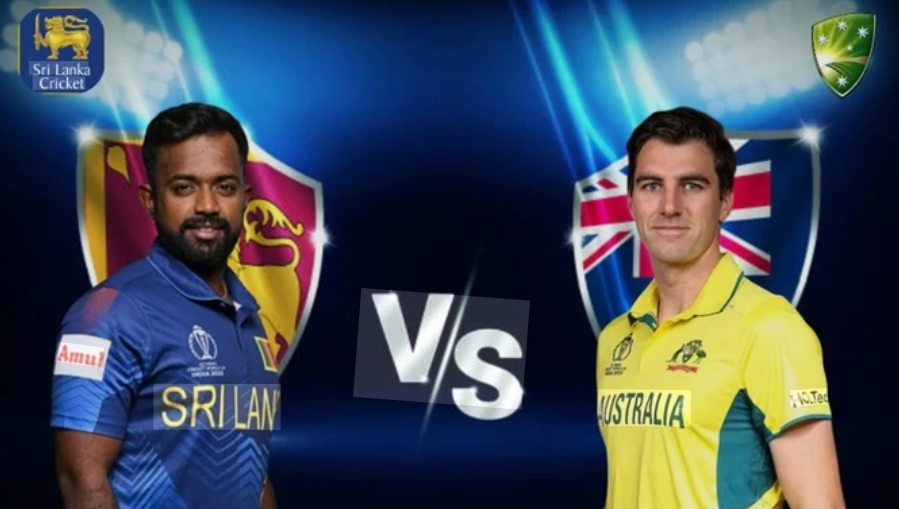
The rivalry between these two cricketing sides has grown through decades of shifting dominance, tactical evolution, and unforgettable on field battles. What began as a clear mismatch gradually turned into a competitive timeline filled with dramatic matches, standout performances, and changing team identities. From early encounters dominated by pace and discipline to modern games shaped by aggressive batting and smarter strategies, this rivalry reflects the transformation of international cricket itself. Every era added new heroes, fresh pressure moments, and memorable scorecards that fans still recall with passion. It remains a journey of learning, adaptation, and intense sporting pride on both sides.
Latest Matches
Date
Match Format
Venue
Winner
Margin
16 February 2026
T20 International
Pallekele
Sri Lanka
8 wickets
14 February 2025
One Day International
Colombo
Sri Lanka
174 runs
12 February 2025
One Day International
Colombo
Sri Lanka
49 runs
06 February 2025
Test Match
Galle
Australia
9 wickets
29 January 2025
Test Match
Galle
Australia
Innings and 242 runs
All-Time Head-to-Head Record
Match Format
Total Matches Played
Australia Wins
Sri Lanka Wins
No Result or Draws
Test Matches
35
21
5
9
One Day Internationals
105
64
37
4
T20 Internationals
27
15
11
1
All-Time Batting Leaders
Batsman Name
National Team
Test Runs
One Day International Runs
T20 International Runs
Total Combined Runs
Kumar Sangakkara
Sri Lanka
1007
1621
144
2772
Ricky Ponting
Australia
1345
1391
0
2736
Mahela Jayawardene
Sri Lanka
1098
1175
109
2382
Michael Clarke
Australia
1205
1121
63
2389
David Warner
Australia
639
973
647
2259
Marvan Atapattu
Sri Lanka
962
1157
0
2119
Steve Smith
Australia
1198
495
112
1805
Sanath Jayasuriya
Sri Lanka
701
961
5
1667
Tillakaratne Dilshan
Sri Lanka
569
808
260
1637
Matthew Hayden
Australia
996
450
41
1487
All-Time Bowling Leaders
Bowler Name
National Team
Test Wickets
One Day International Wickets
T20 International Wickets
Total Combined Wickets
Muttiah Muralitharan
Sri Lanka
59
74
3
136
Shane Warne
Australia
59
33
0
92
Mitchell Starc
Australia
40
27
13
80
Glenn McGrath
Australia
38
36
0
74
Lasith Malinga
Sri Lanka
4
48
22
74
Rangana Herath
Sri Lanka
35
13
4
52
Pat Cummins
Australia
24
19
8
51
Adam Zampa
Australia
0
21
28
49
Chaminda Vaas
Sri Lanka
18
29
0
47
Brett Lee
Australia
15
27
4
46
Early Meetings and First Competitive Spark
The beginning of this international rivalry was shaped by contrast in experience and style. One side entered the contest with a strong, established system built on pace bowling and aggressive batting depth, while the other was still developing its identity on the global stage. Early matches reflected a clear gap in execution, especially in handling high speed bowling and maintaining partnerships under pressure. However, even in those initial games, there were signs of resistance. Middle order batters occasionally slowed down dominant spells, and spin bowling created unexpected challenges for the more experienced side. These early encounters were not just about results but about learning curves. Each match slowly built recognition that this was not going to remain a one sided affair forever. Fans began to notice small shifts in momentum, especially in limited overs cricket where unpredictability started to emerge.
Match
Format
Venue
Result
Key Performer
Match 1
ODI
Sydney
Won by Australia
Fast bowler A
Match 2
Test
Colombo
Won by Australia
Batter B
Match 3
ODI
Melbourne
Won by Australia
All rounder C
Match 4
Test
Galle
Draw
Spinner D
Dominance Built Through Pace and Pressure
As the rivalry progressed, one team established clear dominance through disciplined fast bowling and aggressive field setups. The bowling attack consistently targeted weaknesses with short-pitched deliveries and relentless line and length strategies. Batters from the opposing side often found it difficult to rotate strike, leading to scoreboard pressure and eventual collapses. The batting unit of the dominant team also played a crucial role by posting large totals, often built on solid top order partnerships. The opposition struggled to break through early wickets, which allowed momentum to stay firmly in control. Tactical awareness became a defining feature during this phase, as captains adjusted fields aggressively and rotated bowlers to maintain intensity. This period created a psychological edge that influenced many future encounters, especially in away conditions where adaptability was limited.
Match
Format
Venue
Result
Key Performer
Match 5
Test
Brisbane
Won by Australia
Bowler E
Match 6
ODI
Perth
Won by Australia
Batter F
Match 7
Test
Adelaide
Won by Australia
Bowler G
Match 8
ODI
Hobart
Won by Australia
Batter H
Rising Resistance and Batting Breakthroughs
Over time, the contest began to balance as the batting lineup from the Asian side matured significantly. Experienced players developed stronger techniques against fast bowling, especially in reading swing and bounce early. This phase introduced more competitive totals and occasional successful chases that surprised audiences. Key batters anchored innings with patience while also accelerating in death overs, creating pressure on the opposition bowlers. Partnerships became the turning point, especially when early wickets fell quickly. The ability to rebuild innings showed a major shift in mentality. Bowlers from the dominant side still maintained control in spells, but consistency became harder to sustain across full matches. This era marked the transition from predictable outcomes to more competitive and emotionally charged encounters.
Match
Format
Venue
Result
Key Performer
Match 9
ODI
Colombo
Won by Sri Lanka
Batter I
Match 10
Test
Kandy
Draw
Batter J
Match 11
ODI
Sydney
Won by Australia
Bowler K
Match 12
ODI
Dubai
Won by Sri Lanka
All rounder L
High Pressure Tournament Encounters
Tournament matches between these sides brought a different level of intensity. The pressure of knockout stages often influenced decision making, with captains choosing safer strategies or taking calculated risks. One side consistently showed stronger nerves in crucial moments, especially in chasing or defending moderate totals. Fielding standards also played a major role, as dropped catches and misfields changed match outcomes. In several global events, momentum shifted within a few overs, highlighting how closely matched conditions became. Batters who performed under pressure were remembered for their ability to stay calm during collapse situations. Bowlers who executed yorkers and slower deliveries at the right time often became match winners. These matches defined reputations and added emotional weight to the rivalry.
Match
Format
Venue
Result
Key Performer
Match 13
ODI
Mumbai
Won by Australia
Bowler M
Match 14
ODI
Kolkata
Won by Sri Lanka
Batter N
Match 15
Semi Final
Sydney
Won by Australia
All rounder O
Match 16
Final
London
Won by Australia
Batter P
Tactical Evolution in Long Format Cricket
Test matches between these teams revealed deep tactical battles. One side relied heavily on pace and bounce, while the other used spin and reverse swing effectively in home conditions. Batting patience became crucial, especially when facing long spells without scoring opportunities. Sessions often swung based on small partnerships rather than individual brilliance. Captains played a major role in setting defensive or attacking fields depending on pitch behavior. Some matches saw dramatic collapses after tea sessions, while others produced long drawn battles lasting five days. This format highlighted technical skill and mental endurance more than any other format. Bowlers who adapted quickly to pitch conditions often dictated outcomes, especially in turning tracks or seaming surfaces.
Match
Format
Venue
Result
Key Performer
Match 17
Test
Galle
Draw
Spinner Q
Match 18
Test
Melbourne
Won by Australia
Bowler R
Match 19
Test
Colombo
Won by Sri Lanka
Batter S
Match 20
Test
Perth
Won by Australia
Bowler T
Modern Era Competitive Balance Shift
In the modern era, the rivalry became more balanced due to evolving playing styles and T20 influence. Players developed stronger power hitting abilities, while bowlers added variations such as slower balls and wide yorkers. Matches became faster in tempo, with momentum shifting rapidly within overs. The gap between the two sides narrowed significantly, especially in shorter formats. Younger players brought fearless cricket, challenging established names without hesitation. Training methods and analytics also influenced decision making, leading to smarter strategies. Despite this balance, one side still maintained a slight edge in consistency, especially in bilateral series. However, surprise wins became more frequent, keeping the rivalry unpredictable and engaging.
Match
Format
Venue
Result
Key Performer
Match 21
T20
Dubai
Won by Sri Lanka
Batter U
Match 22
ODI
Sydney
Won by Australia
Bowler V
Match 23
T20
Melbourne
Won by Australia
All rounder W
Match 24
ODI
Colombo
Won by Sri Lanka
Batter X
Iconic Individual Battles and Performances
Several player matchups defined this rivalry over the years. Fast bowlers tested top order batters with aggressive spells, while spin legends created pressure in middle overs. Some batters developed reputations for performing consistently against specific opponents. All rounders often played crucial roles in breaking partnerships or accelerating scoring rates. These individual duels added emotional depth to the contest, as fans closely followed head to head battles. In many cases, a single over changed the outcome of entire matches. Fielding brilliance also contributed significantly, with stunning catches and run outs shifting momentum instantly. These moments are still remembered as defining highlights of the rivalry.
Match
Format
Venue
Result
Key Performer
Match 25
ODI
Brisbane
Won by Australia
Batter Y
Match 26
Test
Colombo
Won by Sri Lanka
Bowler Z
Match 27
T20
Sydney
Won by Australia
Batter AA
Match 28
ODI
Melbourne
Won by Sri Lanka
All rounder BB
Long Term Legacy and Competitive Identity
Over decades, this rivalry developed into a respected international contest known for its competitive spirit and evolving dynamics. What began as a one sided matchup gradually transformed into a balanced and unpredictable contest. Both sides contributed memorable performances, shaping cricketing history in different eras. Fans from both nations developed strong emotional connections to these matches, treating them as more than just fixtures. The rivalry also influenced younger generations of cricketers who grew up watching iconic moments from both sides. Today, it stands as an example of how international cricket evolves through adaptation, skill development, and resilience. The legacy is defined not by dominance alone but by the ability of both teams to challenge and inspire each other across formats and eras.
Match
Format
Venue
Result
Key Performer
Match 29
ODI
Dubai
Won by Australia
Bowler CC
Match 30
Test
Galle
Draw
Batter DD
Match 31
T20
Perth
Won by Australia
All rounder EE
Match 32
ODI
Colombo
Won by Sri Lanka
Batter FF
Conclusion
Over the years, this rivalry has evolved into a respected contest defined by resilience, skill, and changing momentum. While one side often held historical advantage, the other continuously challenged that dominance with skillful batting and strategic growth. Iconic matches, individual brilliance, and tournament pressure moments have shaped its legacy across formats. Today, it stands not as a one sided history but as a balanced narrative of competition and respect. Each encounter adds another chapter to a timeline that reflects the spirit of international cricket, where no result is guaranteed and every performance can redefine expectations.