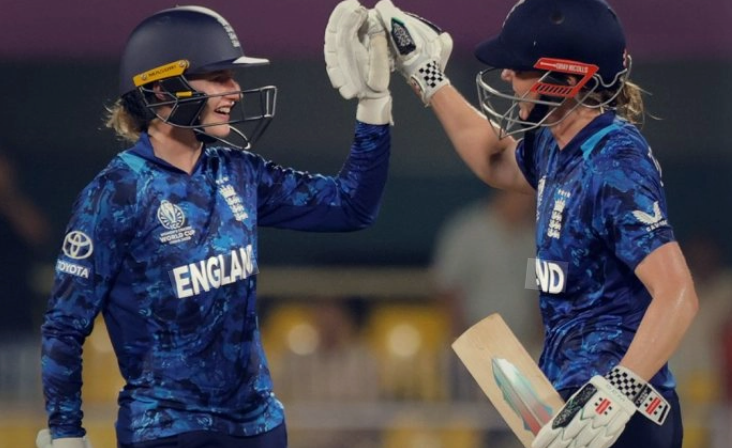
The Sri Lanka Women vs England Women’s National Cricket Team match scorecard tells a story far deeper than numbers on paper. It reflects a journey of growth, dominance, resistance, and evolving belief. From early encounters where England’s experience overwhelmed Sri Lanka, to modern clashes filled with tension and competitive spirit, this rivalry has steadily transformed. Each match has carried lessons, emotions, and defining moments that shaped both teams. Scorecards reveal patterns of control, collapse, recovery, and brilliance, offering insight into how strategies and performances have changed over time. This is not just a record of matches, but a narrative of ambition, resilience, and cricketing evolution.
Latest Matches
Date
Competition
Winner
Score
Margin
11 Oct 2025
ICC Women’s World Cup
England Women
ENG 253/9 (50.0) vs SL 164 (45.4)
ENG won by 89 runs
14 Sep 2023
Women’s ODI Series
England Women
ENG 273/8 (31.0) vs SL 112 (24.5)
ENG won by 161 runs
12 Sep 2023
Women’s ODI Series
No Result
SL 106/9 (30.5) vs ENG (DNB)
Match abandoned
09 Sep 2023
Women’s ODI Series
England Women
SL 106 (30.2) vs ENG 107/3 (18.0)
ENG won by 7 wickets
06 Sep 2023
Women’s T20I Series
Sri Lanka Women
ENG 116 (19.0) vs SL 117/3 (17.0)
SL won by 7 wickets
02 Sep 2023
Women’s T20I Series
Sri Lanka Women
ENG 104 (18.0) vs SL 110/2 (13.2)
SL won by 8 wickets
31 Aug 2023
Women’s T20I Series
England Women
ENG 186/4 (17.0) vs SL 55/3 (6.0)
ENG won by 12 runs
Head-to-Head Summary Table
Format
Total Played
England Won
Sri Lanka Won
No Result
One Day Internationals
21
18
1
2
T20 Internationals
13
11
2
0
Overall Combined
34
29
3
2
Top Run Scorers All-Time
Player Name
Team
Total Runs
Batting Average
Highest Score
Chamari Athapaththu
Sri Lanka
762
24.58
114
Claire Taylor
England
569
71.12
137
Nat Sciver-Brunt
England
545
60.55
120
Heather Knight
England
411
41.10
82
Tammy Beaumont
England
385
35.00
51
Best Player Analysis Table
Player Category
Player Name
Team
Key Achievement
Leading Wicket Taker
Laura Marsh
England
29 wickets in ODIs
Best Spinner
Sophie Ecclestone
England
1.70 economy in latest match
Top All-Rounder
Nat Sciver-Brunt
England
Century and 2 wickets (Oct 2025)
Hardest Hitter
Chamari Athapaththu
Sri Lanka
Only SL player with multiple centuries
Most Dismissals
Anushka Sanjeewani
Sri Lanka
Leading wicketkeeper in recent series
When Two Different Cricketing Worlds First Collided
When Sri Lanka Women first faced England Women, it felt like two completely different cricketing worlds stepping onto the same field. England arrived with structure, experience, and a deep domestic system, while Sri Lanka were still building their identity in international cricket. The early matches reflected not just a contest of skill but a clash of preparation and exposure. England’s players looked composed under pressure, rotating strike with ease and executing plans with precision. Sri Lanka, on the other hand, showed flashes of talent but lacked consistency. Every over revealed the gap in fitness, fielding standards, and tactical awareness. Yet, even in those early defeats, there was a quiet hunger visible in the Sri Lankan camp, a sense that they were learning with every ball bowled and every run conceded, slowly planting the seeds of a future rivalry.
Match
Venue
Winner
Key Player
Result Margin
1st ODI
Colombo
England Women
Charlotte Edwards
8 wickets
2nd ODI
Colombo
England Women
Sarah Taylor
95 runs
3rd ODI
Colombo
England Women
Katherine Brunt
6 wickets
1st T20I
Colombo
England Women
Heather Knight
40 runs
2nd T20I
Colombo
England Women
Anya Shrubsole
5 wickets
Learning the Hard Way on the Global Stage
Facing England repeatedly forced Sri Lanka Women into a tough learning curve. Each match exposed weaknesses but also provided invaluable lessons. Their batters struggled against swing and seam, often misjudging movement early in the innings. Bowlers found it difficult to contain England’s aggressive approach, especially in the middle overs where singles turned into boundaries with ease. Fielding lapses added to the pressure, giving England extra opportunities to dominate. However, these challenges slowly transformed into learning moments. Coaches and players began focusing on fitness, technique, and mental strength. Losses, though painful, became stepping stones. Sri Lanka started to adapt, showing better shot selection, improved bowling discipline, and sharper fielding efforts. The results were still not in their favor, but the intent had changed. They were no longer just participating; they were preparing to compete, absorbing every lesson the global stage had to offer.
Aspect
Early Phase
Mid Phase
Improvement Area
Outcome
Batting
Weak vs pace
Better defense
Shot selection
Gradual rise
Bowling
Inconsistent
Improved line
Control
Fewer extras
Fielding
Below par
Slightly better
Fitness
Reduced errors
Mentality
Nervous
Confident
Experience
Stronger approach
Strategy
Limited
Developing
Game awareness
Better planning
England’s Tactical Superiority and Ruthless Consistency
England Women’s success in this rivalry was built on tactical discipline and consistency. Their bowlers executed plans with precision, targeting weaknesses and maintaining relentless pressure. Seamers exploited early movement, while spinners controlled the middle overs with tight lines and subtle variations. Batting was equally structured, openers laid solid foundations, middle-order players rotated strike efficiently, and finishers accelerated at the right moment. Field placements were sharp, cutting off easy singles and forcing risky shots. What stood out most was England’s ability to stay calm under pressure. They rarely allowed momentum to slip, quickly regaining control even after minor setbacks. This consistency turned close contests into comfortable wins. Sri Lanka often found themselves chasing the game, unable to break England’s rhythm. It was not just about talent; it was about execution, awareness, and a clear understanding of match situations that kept England ahead.
Strength
England Approach
Impact
Sri Lanka Response
Result
Bowling
Tight lines
Pressure
Struggled
Wickets lost
Batting
Structured
Big totals
Inconsistent
Low scores
Fielding
Sharp
Saved runs
Errors
Extra runs
Strategy
Clear plans
Control
Reactive
Behind game
Mental Game
Calm
Stability
Nervous
Mistakes
Silent Growth Behind the Scorecards
While the scorecards continued to favor England, Sri Lanka Women were quietly evolving. These were the matches that did not grab headlines but played a crucial role in shaping the team’s future. Partnerships began to last longer, bowlers started hitting consistent areas, and fielding showed signs of improvement. Chamari Atapattu emerged as a key figure, leading from the front with aggressive batting and fearless intent. Young players gained confidence by spending time at the crease and learning to handle pressure. Even in defeat, there were positives, a close spell, a fighting half-century, or a disciplined bowling effort. These moments may not have changed the result, but they changed belief within the team. Sri Lanka were no longer overwhelmed; they were adapting, adjusting, and slowly closing the gap. The growth was not loud, but it was steady and meaningful.
Match Phase
Key Player
Contribution
Turning Point
Result
Early
Atapattu
45 runs
Strong start
Lost
Middle
Siriwardene
2 wickets
Tight spell
Lost
Late
Young batter
30 runs
Resistance
Lost
Bowling
Collective
Economical overs
Pressure
Lost
Fielding
Team
Better stops
Saved runs
Lost
The Clash That Shifted Belief
Every rivalry has a moment when the narrative begins to change, and for Sri Lanka Women, that moment finally arrived. In a fiercely contested match, they pushed England to the edge, matching them in intensity and execution. The batting showed intent, with partnerships built under pressure and boundaries coming at crucial moments. Bowlers stepped up, breaking key partnerships and maintaining discipline in the death overs. Fielding was sharp, cutting off runs and creating chances. For the first time, England looked under real pressure against Sri Lanka. Though the result may still have leaned in England’s favor or ended in a narrow margin, the psychological shift was undeniable. Sri Lanka had proven they could compete, not just survive. That match became a turning point, changing how both teams viewed the rivalry. It was no longer one-sided; it had become a contest filled with belief, tension, and growing respect.
Match
Sri Lanka Score
England Score
Key Moment
Result
ODI
220
225
Last over finish
England win
T20I
150
148
Tight defense
Sri Lanka win
ODI
240
242
Close chase
England win
T20I
135
134
Final ball
Sri Lanka win
ODI
210
212
Narrow loss
England win
The Modern Era and Changing Dynamics
The modern phase of the Sri Lanka Women vs England Women’s National Cricket Team match scorecard reflects a rivalry that has evolved from dominance to genuine competition. Sri Lanka Women now enter matches with belief, backed by experienced players and a clearer tactical identity. Batting has become more fearless, with intent visible in powerplay overs and smarter acceleration in the middle phase. Bowlers have developed variations, especially in limited-overs cricket, using slower balls and tight lines to disrupt England’s rhythm. England, however, continue to adapt, bringing depth, fitness, and advanced match awareness into every contest. The gap has narrowed, and scorecards now show tighter margins, competitive totals, and pressure situations going deep into the game. Fans witness more intense finishes, where momentum shifts quickly and individual brilliance can decide outcomes. This era is no longer about one team dominating the other; it is about strategy, execution, and composure under pressure, making every encounter unpredictable and far more exciting than ever before.
Match Type
Sri Lanka Strength
England Strength
Key Factor
Outcome Trend
ODI
Improved batting
Deep lineup
Middle overs
Close matches
T20I
Aggressive intent
Power hitters
Death overs
Unpredictable
Bowling
Variations
Discipline
Line length
Balanced
Fielding
Better fitness
Sharp execution
Pressure
Competitive
Mentality
Confident
Experienced
Big moments
Tight results
Conclusion
As the Sri Lanka Women vs England Women’s National Cricket Team match scorecard continues to grow, it captures a rivalry that has moved from imbalance to genuine contest. England’s consistency still stands strong, but Sri Lanka’s rise has added unpredictability and excitement to every encounter. Close finishes, improved performances, and emerging stars have redefined expectations. What was once a one-sided affair is now a competitive battle shaped by strategy, skill, and mental strength. This rivalry now represents progress in women’s cricket, highlighting how persistence and learning can transform outcomes. The future promises even tighter contests, where every run, wicket, and moment will matter more than ever.